Powell River Top General Contractor for Complete Renovation Services
Powell River Top General Contractor for Complete Renovation Services
Blog Article
General Contractor: Your First-Choice Expert for Home Tasks
A general contractor maintains an essential position in building projects. They handle numerous facets of building operations, guaranteeing that all work proceeds without incident. Their expertise of construction regulations and guidelines permits them to navigate the challenges of permits and inspections. This knowledgeable professional serves as an important link between homeowners and subcontractors. Still, many homeowners remain confused about the breadth of their offerings. Understanding these points can have great importance for the accomplishment of any home renovation endeavor.
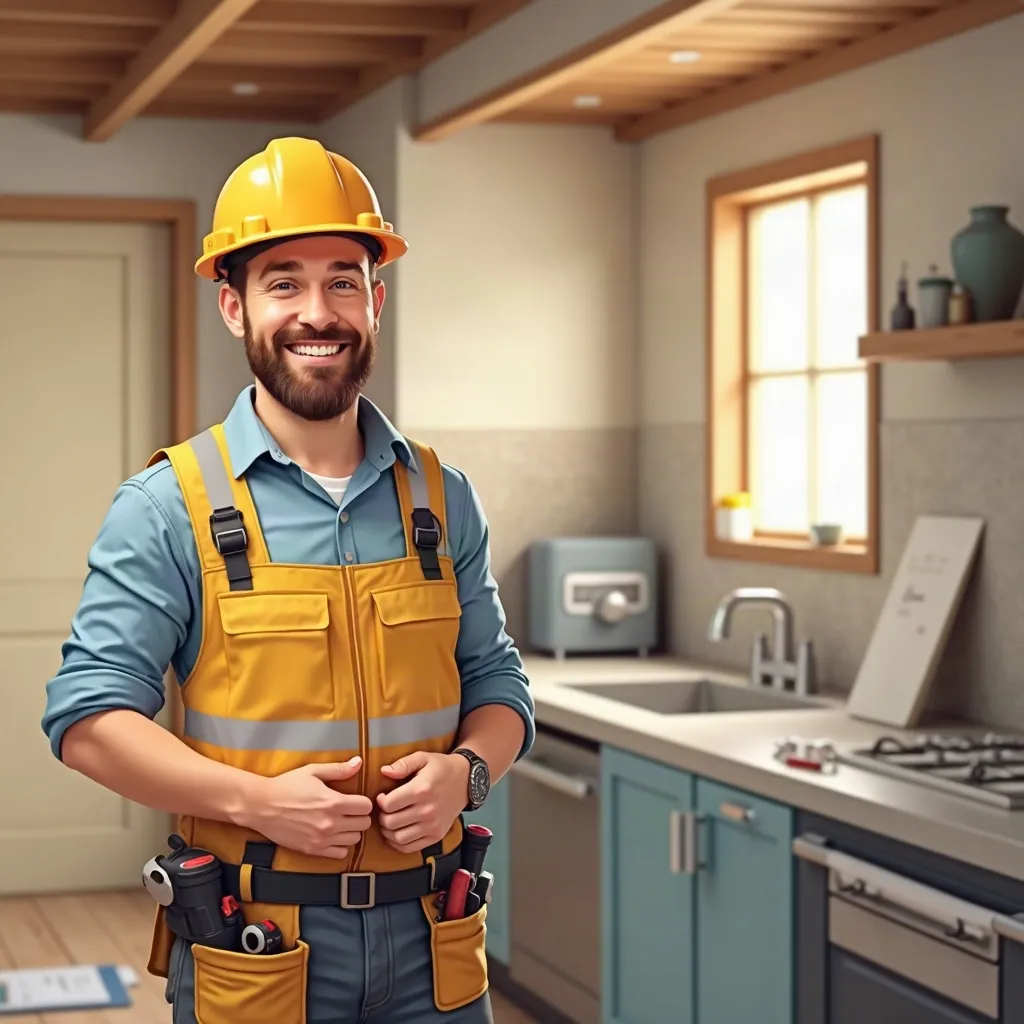
What Does a General Contractor Do?
A construction coordinator orchestrates the various elements of a structural project, ensuring that everything runs smoothly from start to finish. They serve as the main point of contact, managing interactions between clients, contract workers, and distributors. This function requires planning the construction calendar, arranging labor, and ensuring compliance with local building codes and ordinances.
General contractors are responsible for acquiring required licenses and arranging inspections, which are essential to upholding safety and quality benchmarks. They also manage budget planning, material procurement, and overseeing site operations to mitigate any potential delays or issues. In addition, they supervise subcontractors, ensuring that each phase of construction aligns with project specifications and timelines. Overall, a general contractor's knowledge and management abilities are crucial for completing a successful construction project, transforming a client's vision into reality while managing multiple duties and obligations.
Advantages of Choosing a General Contractor for Home Remodeling
Contracting a general contractor for home renovations provides countless advantages that can greatly boost the efficiency and quality of the work. Professional contractors offer specialized knowledge in managing projects, making sure that schedules are kept and resources are allocated effectively. Their established connections with specialized contractors can generate superior pricing and excellent craftsmanship, which ultimately benefits homeowners regarding both cost and time.
Furthermore, general contractors address the intricate details of approvals and reviews, limiting conceivable compliance concerns. They also deliver a single point of contact, facilitating communication and coordination among various trades. This streamlining reduces the likelihood of misunderstandings and delays.
In addition, their proficiency empowers them to foresee emerging challenges, allowing timely interventions to keep the project on track. By hiring a general contractor, homeowners can focus on their vision while enjoying peace of mind, knowing that a professional is overseeing every aspect of the renovation.
Clearing Up Myths Regarding General Contractors
While many property owners may hold misconceptions about general contractors, understanding the realities can result in more informed decisions. One common myth is that hiring a general contractor is not required for minor projects; nevertheless, their know-how can facilitate even minor renovations, guaranteeing observance with local codes. Another common belief is that contractors are merely middlemen, but they frequently have in-depth knowledge in several disciplines, enabling them to manage projects efficiently. Additionally, some homeowners believe that working with a contractor will significantly inflate costs. In fact, a skilled general contractor can often negotiate better costs for materials and labor due to solid relationships with vendors and subcontractors. Lastly, many consider that contractors are inflexible, but dependable contractors value client communication and collaborate closely to address unique needs. Dispelled myths can empower clients to capitalize on the genuine value of general contractors in achieving productive home projects.
Identifying the Best General Contractor?
How can homeowners guarantee they select the right construction professional for their undertakings? The process begins with comprehensive investigation. Property owners should seek suggestions from friends, family, or online reviews to locate potential candidates. Once a list is assembled, verifying qualifications, such as licensing, insurance, and bonding, is vital to confirm credibility.
Next, property owners should request and review portfolios of previous work, focusing on projects similar in scope. Setting up interviews allows property owners to gauge compatibility, discussing schedules, costs, and requirements. It's also recommended to get several estimates for evaluation, offering a better grasp of costs.
Assessing references provides insight into a contractor's reliability and professionalism. Ultimately, relying on your gut feeling is crucial; an opening discussion can expose a contractor's communication style and approach. By adhering to these guidelines, homeowners can significantly boost their likelihood of picking a general contractor who matches their objectives and goals.
Proven Conversation Techniques With Your General Contractor
What strategies can homeowners implement to ensure strong dialogue with their general contractor? Initiating clear communication from the inception is necessary. Homeowners should clearly articulate their goals, project targets, and cost parameters during initial discussions. Regular updates can be enabled through planned discussions, guaranteeing that both parties remain aligned throughout the project.
Applying documented evidence, such as project documentation and emails, reinforces verbal agreements and minimizes misunderstandings. Homeowners should likewise foster transparent dialogue by welcoming input and feedback from the contractor, establishing a cooperative setting.
Additionally, harnessing modern solutions, such as project management apps, can optimize communication by supplying a centralized hub for distributing updates, timelines, and changes. Finally, displaying consideration and approachability can improve rapport, facilitating it easier for the contractor to share challenges or suggestions in an effective manner. By adopting these methods, homeowners can build a collaborative and candid relationship with their general contractor.
What to Expect When Your Project Launches?
As the initiative begins, homeowners can expect a burst of activity on-site. The general contractor will coordinate teams of skilled tradespeople, including electricians, plumbers, and carpenters, who will start their tasks according to the established timeline. Homeowners may observe equipment and supplies being delivered, generating a bustling atmosphere.
Open dialogue is crucial during this stage. The contractor will communicate advancements and handle any concerns that surface. Homeowners should prepare for possible disruptions, such as acoustic disturbances and limited entry to certain areas of the home.
Safety safeguards will be in place to defend both workers and residents, ensuring a secure environment. Additionally, homeowners may be encouraged to sustain flexibility, as unexpected circumstances can arise, compelling adjustments to the original plan. Overall, this initial phase sets the stage for the successful completion of the project, and active commitment is essential.
Essential Questions for Your Contractor Agreement?
Deciding which queries to pose when finalizing a general contractor agreement is critical for ensuring a efficient project. Homeowners should inquire about the contractor's permit and insurance to confirm their credentials and protection against risks. Understanding the project schedule and goals is significant; therefore, asking about projected completion dates helps manage expectations.
It is also critical to set payment terms, including initial contributions and payment arrangements, to eliminate misunderstandings. Property buyers should demand a detailed breakdown of expenditures, covering raw materials and labor, to ensure transparency. Likewise, examining the process for tackling changes or unforeseen issues can forestall tensions going forward.
To wrap up, homeowners must find out about subcontractors and their experience, as well as the contractor's communication strategy throughout the project. By addressing these concerns, property owners can nurture a productive relationship with their general contractor, ultimately enabling a successful home project.
Popular Inquiries Posed Often
How Do General Contractors Charge for Their Services?
Contractors commonly assess fees by way of flat fees, hourly rates, or a proportion of the overall budget. Their costs may include materials, labor, and business expenses, based on the intricacy and breadth background information of the project.
Can a General Contractor Assist With Permits and Evaluations?
Yes, a general contractor can aid in securing permits and managing inspections. They typically navigate local codes and ensure adherence, simplifying the workflow for homeowners while facilitating necessary authorizations throughout the construction project.
What Qualities Should I Identify in a General Contractor?
When designating a general contractor, one should analyze professional attributes such as licensing, suitable insurance, history with related undertakings, strong references, and proficient communication practices, confirming they possess the necessary expertise to manage the project as planned.
What is the Duration of a Typical Home Renovation Undertaking?
A typical home remodeling project can take anywhere from a few weeks to several months, determined by the scope, intricacy, and size of the project, as well as the availability of materials and labor.
What Happens if My Undertaking Surpasses Spending Cap?
Should a project go over budget, the builder typically discusses the reasons and options with the property owner. Modifications may involve scaling back, seeking additional funding, or adjusting the project parameters to conform to financial limits.
Report this page