Professional Dunellen General Contractor with Skilled Craftsmanship
Professional Dunellen General Contractor with Skilled Craftsmanship
Blog Article
Why Finding the Appropriate General Contractor Is Important for Your Project
Determining the right general contractor is a essential decision that can greatly shape a project's success. A suitable contractor guarantees efficient administration and observance to budgets. Their ability to work through setbacks and maintain lucid correspondence is essential. However, many construction owners miss critical factors in this procurement process. Understanding these features can lead to better results and increased satisfaction. What should one assess when making this important choice?
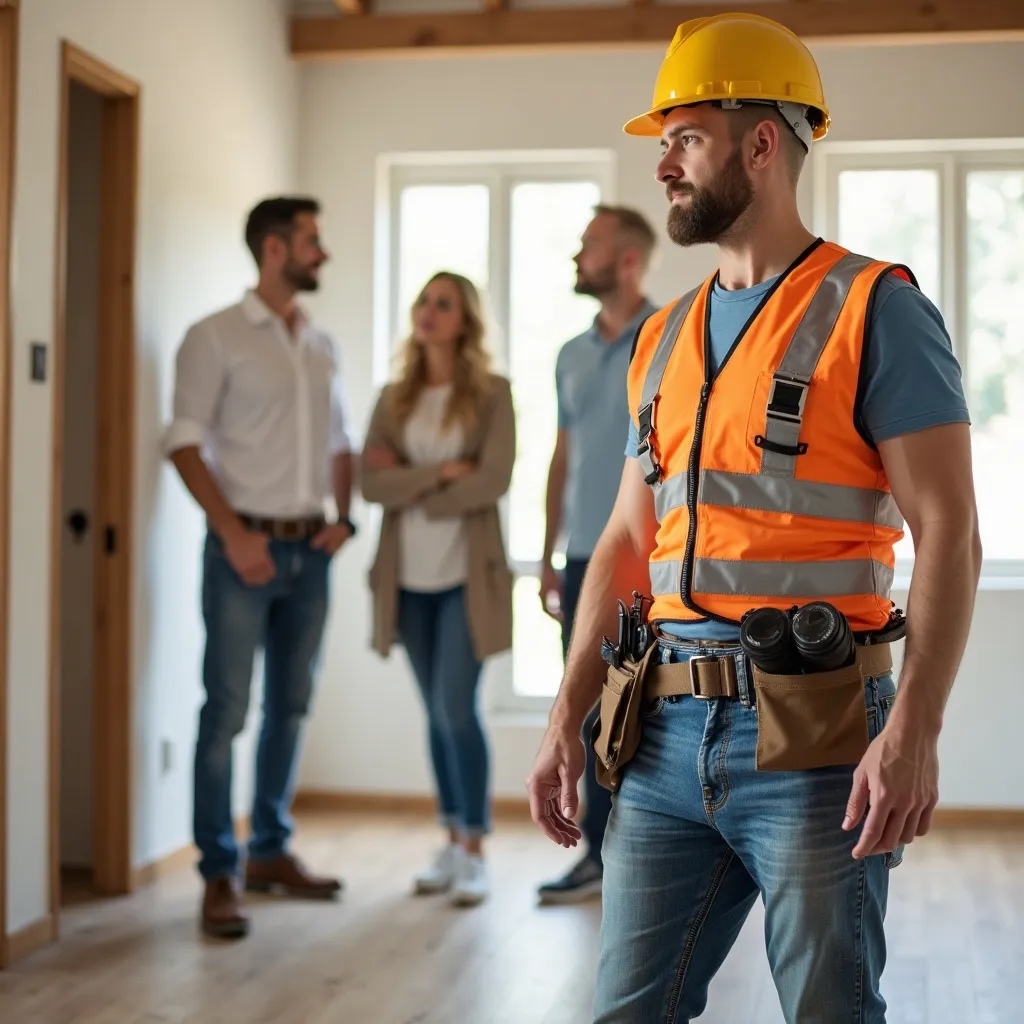
Frequent Complications in Selecting a General Project Manager
When evaluating a building contractor, prospective customers often encounter several common difficulties that can complicate the decision-making process. One major obstacle is the vast quantity of choices on offer, which can cause uncertainty and hesitation. Clients may struggle to differentiate between contractors based on qualifications, experience, and pricing, making it challenging to identify who will examine this material best satisfy their project needs.
Another difficulty is the absence of clarity in contractor proposals, where concealed expenses may surface subsequently, affecting the project budget. Furthermore, clients may face issues concerning interaction; some contractors may neglect to keep clients informed throughout the process, creating dissatisfaction. In conclusion, clients often grapple with verifying a contractor's credentials and past work, which can result in doubt about the level of service quality expected. These obstacles require thorough deliberation and investigation to guarantee the correct decision is selected.
The Significance of a Trusted Project Manager
A dependable general contractor plays a crucial role in ensuring efficient project delivery and maintaining quality assurance standards. Their skill helps improve processes, minimizing delays and expenses. Additionally, a dependable contractor upholds excellence, resulting in superior craftsmanship and client contentment.
Boost Project Oversight Speed
Successful project execution is dependent on the dependability of a general contractor. A trustworthy contractor guarantees that timelines are respected, resources are properly distributed, and communication runs smoothly among all stakeholders. Their expertise in coordinating subcontractors, suppliers, and laborers directly affects the project's progress and success overall. A reliable contractor anticipates obstacles, implements remedies promptly, and maintains focus on project objectives, minimizing delays and controlling cost overruns. This efficiency creates a collaborative atmosphere, enabling adjustments and improvements as needed. Ultimately, the general contractor's reliability enhances both project operations and trust among clients and team members, guaranteeing all stakeholders stay coordinated towards a successful conclusion.
Quality Assurance Standards
Dependable general contractors serve a key role in ensuring quality control during the entire project. They make sure that every task complies with established guidelines and industry best practices, which remains crucial to the durability and safety of the structure. A competent contractor holds strict oversight over materials and workmanship, conducting regular inspections to find and resolve problems quickly. This proactive approach minimizes risks linked to inferior construction, ultimately safeguarding the investment. Furthermore, a reliable contractor facilitates communication among all stakeholders, guaranteeing clear and fulfilled expectations. By focusing on quality assurance, a skilled general contractor not only enhances the end product but also builds trust with clients, establishing the base for successful project results.
Analyzing a Contractor's Track Record and Reputation
When selecting a general contractor, understanding their background and track record is essential, as these factors significantly impact project results. A contractor's experience typically reflects their ability to handle various kinds of projects, complexities, and obstacles. Reviewing their portfolio offers insight into past work, showcasing craftsmanship and attention to detail.
In addition, reputation serves as a vital role in building trust. Prospective clients should seek online reviews, recommendations, and references to determine satisfaction levels from previous clients. Working with past customers can reveal the contractor's reliability, communication skills, and sticking to timelines and budgets.
Furthermore, industry affiliations and accreditations can enhance a contractor's credibility, suggesting a resolve to superior standards and responsible practices. By thoroughly evaluating both experience and reputation, clients can select wisely, at last setting the stage for a successful construction project.
Key Attributes of a Trustworthy Contractor
A reliable contractor consistently exhibits integrity, openness, and excellent interpersonal abilities. These vital qualities form the basis of a successful professional partnership. Honesty ensures the contractor conforms to moral standards, offering honest assessments and realistic timelines. Openness entails openly sharing project details, including costs and possible obstacles, building trust between the contractor and the client.
Strong interpersonal abilities facilitate the contractor to convey ideas efficiently, listen to client needs, and address any issues that occur during the project. Additionally, a reliable contractor exhibits flexibility, adjusting to shifts and unforeseen circumstances with composure and flexibility. Close attention to detail is another key trait; it reflects a commitment to excellence and accuracy in every facet of the work. All things considered, these characteristics not only improve project outcomes but also provide a positive interaction for clients, making the hiring of a dependable contractor all the more vital.
Essential Considerations When Engaging Your General Contractor?
How can one ensure they choose the appropriate general contractor for their project? By asking a set of specific questions, potential clients can better evaluate candidates. To begin, inquiring about the contractor's experience with similar projects provides insight into their expertise. It's also vital to request for references; speaking with previous clients can reveal the contractor's trustworthiness and quality of work.
Next, discussing licensing and insurance confirms that the contractor satisfies legal obligations and protects the client from possible liabilities. Clients should also ask regarding timelines and project management approaches to gauge how the contractor plans to handle the project efficiently.
Budget discussions are critical; requesting a detailed estimate avoids unexpected costs later. Finally, understanding the contractor's preferred communication style can set the foundation for a successful partnership. By addressing these key questions, clients can make informed decisions in selecting their general contractor.
Why Communication Is Important With Your Contractor
Effective interaction with a contractor is important for assignment achievement. Defining clear expectations and offering timely communications can prevent misunderstandings that often lead to costly setbacks. Additionally, encouraging an candid dialogue establishes rapport, securing a better partnership throughout the building effort.
Transparent Goals Build Success
Establishing well-defined expectations is crucial for a productive partnership with a general contractor. Effective communication lays the foundation for understanding project goals, timelines, and budget constraints. When both parties communicate their needs and concerns, it reduces the risk of misunderstandings that can disrupt progress. A contractor who is aware of the specific requirements can distribute resources wisely and address potential challenges proactively. In addition, transparency fosters accountability, making certain that the contractor delivers on promises and that the homeowner feels involved in the process. By prioritizing open dialogue from the outset, clients can improve cooperation and satisfaction, ultimately leading to a more efficient project execution. Clear expectations not only optimize workflows but also build trust between the homeowner and the contractor.
Immediate Messages Prevent Miscommunications
Defining clear requirements provides the groundwork for collaborative success, while steady dialogue is absolutely critical. Frequent communication from a construction professional can prevent miscommunication that may arise in the course of a undertaking. When builders regularly share project updates, clients remain abreast of project schedules, budget changes, and anticipated roadblocks. This proactive dialogue aids in harmonize both sides' goals and reduces the risk of disputes down the road. Similarly, when issues develop, immediate communication allows for quicker problem-solving, maintaining the work on schedule. Through fostering a culture of open communication, construction professionals express their dedication to the project's success, ultimately leading to a smoother workflow and greater client contentment. Consequently, prompt updates function as a critical foundation for maintaining clarity and trust within the construction endeavor.
Open Conversation Builds Trust
As a project progresses, keeping an open dialogue with the general contractor becomes crucial for fostering trust and collaboration. Effective communication guarantees that all stakeholders have a solid grasp of expectations, timelines, and potential obstacles. When builders and clients participate in frequent conversations, it enables for the recognition of problems before they escalate, reducing interruptions. This openness not only creates confidence but also enhances the overall project experience. Additionally, an open line of communication encourages input, enabling the builder to make modifications that align with the client's vision. Ultimately, strong communication creates a foundation of mutual respect, which is vital for the successful completion of any construction project. Trust built through dialogue leads to improved results for everyone involved.
Frequently Raised Questions
What methods can I employ to determine if a Contractor has been certified?
To confirm if a contractor is duly licensed, one should check local licensing boards or websites, validate their license number, and establish it's active. Additionally, looking at online reviews can provide awareness of their professional standing and consistency.
What Protection Must My Construction Professional Possess?
A tradesperson should carry overall liability protection, occupational injury insurance, and, if pertinent, liability for professional negligence. These cover foreseeable harm, workplace injuries, and construction defects, ensuring fiscal safety for both the contractor and the client.
What's the Most Effective Way to Examine a Contractor's Track Record?
To confirm a contractor's endorsements, one should request a roster of past patrons, get in touch with them personally, and ask about their experiences. Furthermore, investigating online reviews and ratings can present pertinent details into the contractor's dependability.
What Ought I Execute if Challenges Emerge During the Initiative?
If problems emerge during the project, one should document the concerns, communicate directly with the contractor, and pursue a resolution. If necessary, involving a third party or seeking legal advice may also be appropriate.
Do You Need to Identify Problem Indicators During the Employment Selection Process?
Warning signs in the hiring process include vague estimates, missing credentials, poor communication, incomplete licenses, and unfavorable ratings. These signals suggest potential issues that could impact the project's quality and timeline.
Report this page